Collision assessment
Hidden damage and incomplete estimates can leave important questions unanswered.
The solution we provide
We help turn an uncertain damage picture into documented findings and a considered next decision. The assessment identifies visible and accessible concealed damage, applicable research and checks, costs and unresolved questions within the authorized scope.
Discuss this service directly
You can ask about this service by phone, text or email without entering the screening funnel. If you want us to consider a job, a guided request is also available. Paid assessment and repair work require agreed scope and authorization.
What we need to establish
We investigate the vehicle and document the findings before you decide on corrective work. Assessment scope, charges and access are agreed before paid work. Photos alone do not establish the complete scope.
What a photo estimate cannot show
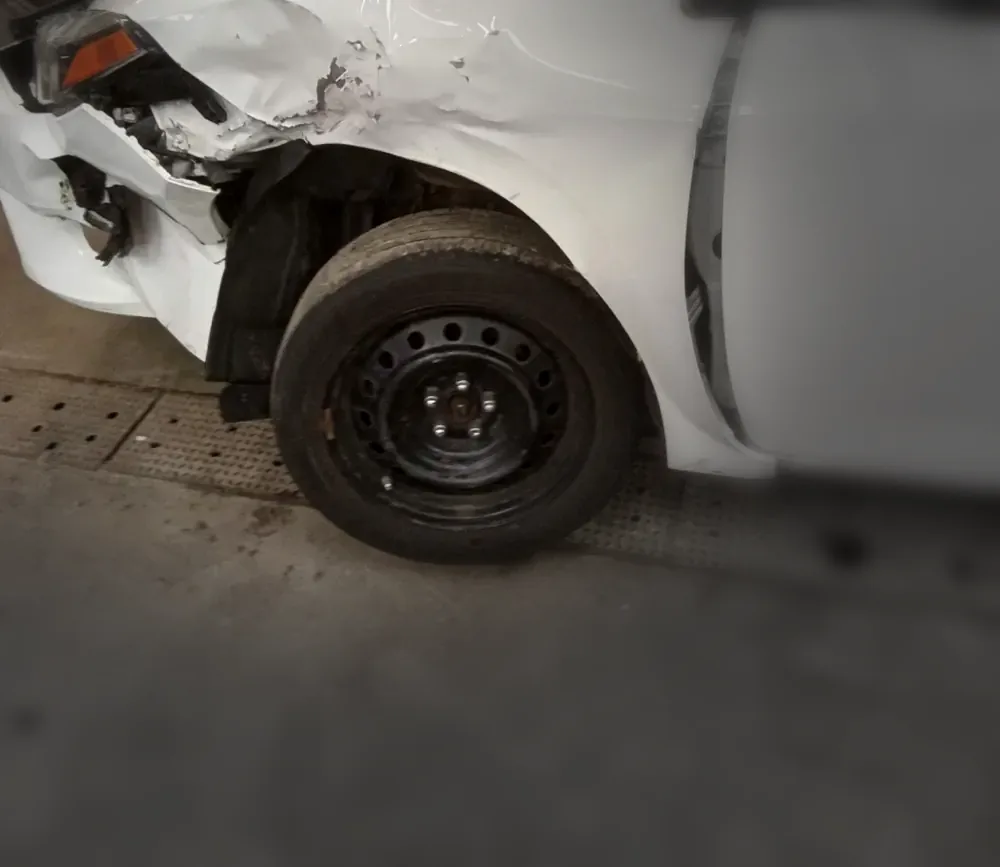
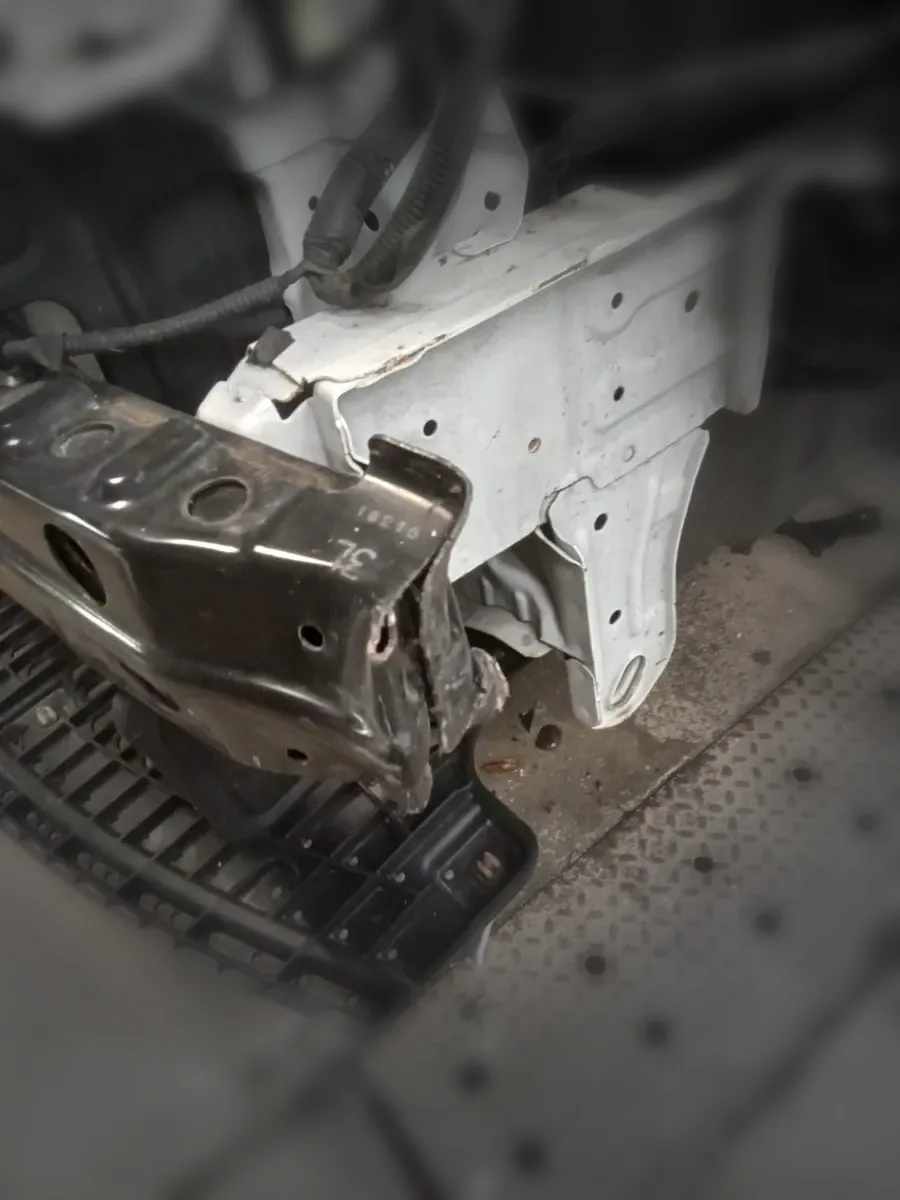
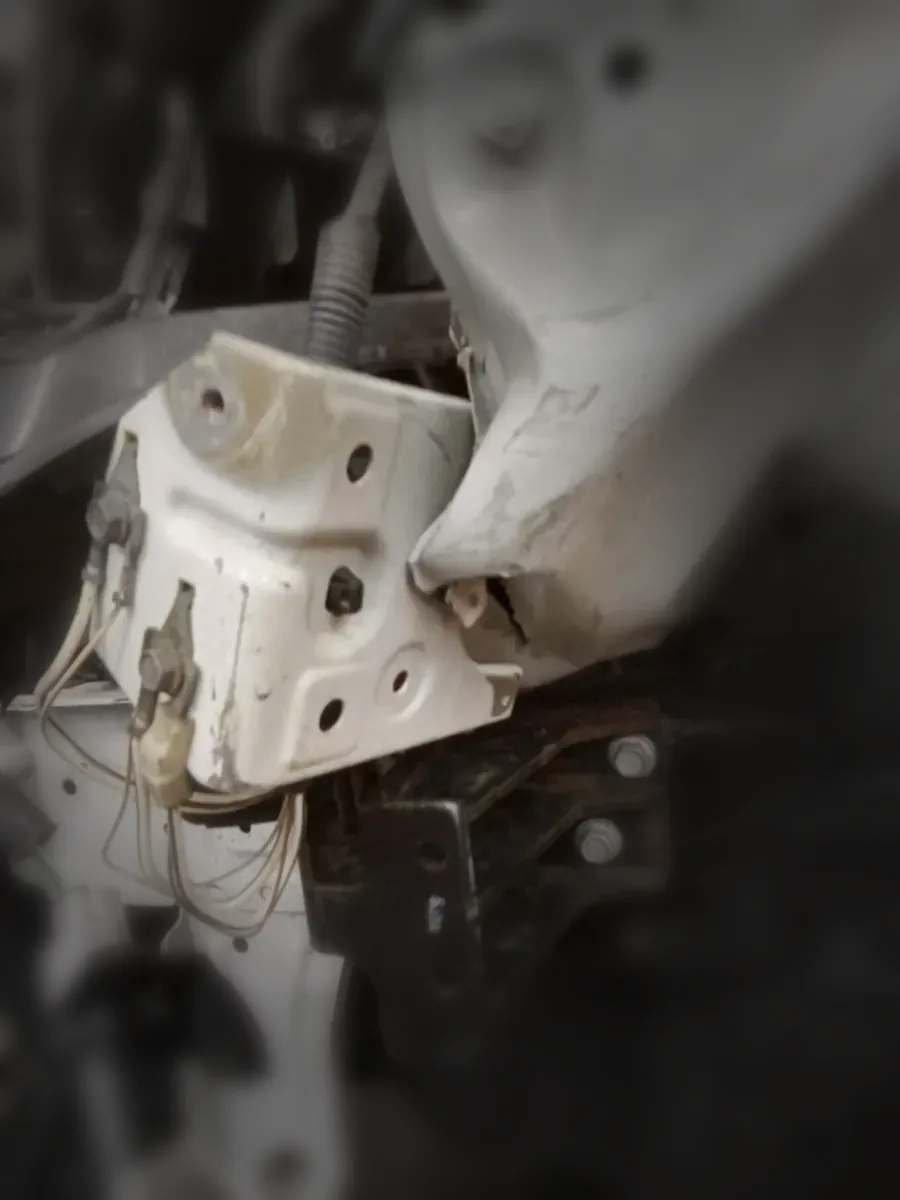
This shop example shows visible damage, access to concealed areas and documented findings. It illustrates the assessment process; your vehicle may require different checks.
Why we may be unable to accept the requested job
We want to solve the problem you are facing. Before accepting work, we need enough information to establish a repair scope and outcome we can responsibly stand behind. Your budget, timing and requested limits matter, but they do not resolve unknown damage or make an unsuitable repair method acceptable.
A used or supplied part needs more than a visual check
A clean appearance cannot establish every component’s suitability. Depending on the part, we may need to confirm compatibility, damage history, condition, measurements, testing and applicable manufacturer instructions. Different components have different requirements. If the necessary evidence is unavailable, or the proposed part or method is unsuitable, we may be unable to agree to installation.
Learn what to discuss before buying or supplying a part →
Doing only part of the work may leave the problem unresolved
Some work can reasonably stand alone. Other work depends on related repairs, diagnosis, measurements or verification. Installing a part or repairing a visible panel while necessary related work is excluded may leave an unacceptable outcome. We assess those relationships before agreeing to a limited scope. A customer acknowledgment does not establish that the proposed work is technically suitable.
Understand how we review selected or partial work →
Prior repairs and unknown damage can require an assessment first
Previous work, unresolved symptoms, missing records and concealed damage can make a quick installation or correction request more involved than it appears. We may need separately authorized research, access or testing before establishing the repair plan. If you cannot provide the needed access or authorize that assessment, we may be unable to offer the requested corrective work.
Once we identify a concern, we need to address it
If we know that a proposed shortcut leaves an important concern unresolved, we cannot responsibly ignore it. We explain what we found, what remains unknown and how it affects the requested work. Applicable legal requirements, manufacturer instructions and our shop’s acceptance policies each inform the decision; they are not interchangeable. Staff review the requirements relevant to your vehicle and proposed work.
Accepting work we cannot support can put the customer’s safety, responsibility for the repair and the trust placed in our shop at risk. We may decline the requested scope when we cannot establish or carry out an appropriate plan.
What happens if the requested scope is not acceptable?
- We explain the specific concern and the information or checks still needed.
- We discuss whether an authorized assessment, a different part or a revised scope could provide an acceptable next step.
- If we cannot support the proposed work, we explain that decision before accepting it.
You can discuss your concern with us directly by phone, text or email. Browsing services or contacting us does not require completing the screening form. An inquiry is not authorization for paid work or a determination that a vehicle is safe to drive.
Acceptance of work and billable technical time
We reserve the right to decline an unsuitable job or scope
Before accepting work, we reserve the right to decline a requested job or repair scope that we cannot responsibly support. This may include unsuitable parts, excluded related operations, inadequate access or records, or a proposed method that conflicts with applicable requirements. We explain the concern and whether a revised scope or further assessment could provide an acceptable next step. If work is already authorized, we discuss newly identified concerns and any proposed changes within the existing agreement and applicable requirements.
Technical time is billable work
Vehicle-specific manufacturer procedure research, damage assessment, measurements, diagnosis, documentation and technical review take skilled time. That time is billable when it is included in an agreed, authorized service—even when it does not involve installing a part or completing a repair.
Reviewing a challenged repair recommendation
We explain the basis for our recommendations. If a customer, insurer or another party requests additional technical substantiation or proposes an alternative, the review may require further research, procedure comparisons, inspection, measurements, written findings or consultation. We identify that additional scope and its charges before undertaking it.
Where an applicable original equipment manufacturer (OEM) instruction requires a particular operation or method, we document its relevance to the vehicle and proposed work. We evaluate alternatives against the applicable requirements; we do not assume that every recommendation is the only permissible method. An unresolved disagreement does not make an unsupported shortcut acceptable.
When billing starts and how it is agreed
- We identify the assessment, research or technical-review service to be performed.
- We disclose the applicable rate or fee, how time or charges are calculated, and any agreed estimate or spending limit.
- You authorize that scope before the paid work begins. We record the authorization.
- If additional work would go beyond the agreed scope or limit, we discuss the change and obtain the required authorization before continuing.
- The invoice identifies the authorized work performed and its charges. Authorized assessment or review work may remain payable even if you decide against subsequent repairs; insurance reimbursement is not guaranteed.
Contacting us, browsing this site, asking an initial question or submitting an inquiry does not by itself authorize paid technical work. Assessment and corrective repairs have separate authorizations.
Minnesota’s estimate-charge disclosure and authorization requirements ↗ (new tab)
Removing or replacing a part can require electronic safety checks
A door, bumper, windshield or door mirror is not always an isolated body part. It may contain, support or affect a crash sensor, radar, ultrasonic parking sensor or camera. Removing, disconnecting, adjusting, repairing or replacing a component—even reinstalling the original part—can trigger manufacturer-required scanning, inspection, initialization, aiming or calibration.
The required operations depend on the vehicle’s year, model, equipment and the exact work performed. A door crash sensor belongs to the supplemental restraint system (SRS); it is not automatically an ADAS calibration item. A bumper radar, windshield camera or mirror camera may have different procedures. We check the applicable OEM repair information before agreeing to the scope.
A diagnostic scan and an ADAS calibration perform different jobs. A scan checks electronic systems and diagnostic information; it does not replace a required calibration. No warning light, a visually undamaged part or a scan with no fault codes does not by itself establish correct sensor alignment or complete every required check. The manufacturer procedure determines whether a targeted check or broader scan and which calibrations are needed.
Used assemblies need particular review: an included sensor, its history, mounting condition and permitted reuse cannot be assumed suitable because the assembly looks intact. We may need to replace components or decline installation when the necessary evidence or an acceptable procedure is unavailable.
The repair plan must include the related operations required for the work we accept. If those checks or calibrations are excluded, we may be unable to accept the requested installation or partial repair. We explain the requirements, any outside calibration service, scope, charges and authorization before paid work; booking or an initial question does not authorize those charges.
Read about component removal, scans and calibration →
Why “it looks fine” is not enough for a used safety-related part
A used part may have an unknown collision, handling, storage or exposure history. Damage inside a sensor, connector, wiring assembly or electronic component may not be visible from the outside. Hidden cracks, damaged connections, corrosion or intermittent faults may not appear during an initial visual inspection or brief test. A component can appear to operate at first and later develop a fault, including when a safety function is needed.
For an airbag or crash-sensing component, the consequence of an unsuitable part can be particularly serious. These components belong to the supplemental restraint system (SRS). We check the vehicle-specific manufacturer instructions, including restrictions on reuse and required replacement or inspection. A used door or other assembly does not make its included safety components acceptable simply because the assembly looks undamaged.
A scan with no fault codes, a warning light that is off or a successful initial check does not prove that every hidden defect is absent or guarantee operation in a future collision. Scanning, inspection and calibration have different purposes and limits. Calibration cannot make an unsuitable or prohibited component acceptable.
“Good enough” must be supported by the applicable requirements and evidence, not appearance alone. We need to establish compatibility, permitted reuse, condition and the checks relevant to the proposed work. If we cannot establish an acceptable basis for installation, we may decline the part or the requested scope rather than represent an uncertain component as suitable.
A seller’s warranty may describe a remedy if a part fails; it does not establish the part’s condition or assure that a safety system will operate when needed. Used-part warranties vary, and new parts are not a guarantee against every failure either. We explain the applicable warranty and limitations, but a warranty or customer acknowledgment does not replace the manufacturer’s technical requirements.
Frame, structural and suspension components need more than a visual check
The same concern applies to used frame, structural, steering and suspension components. An unknown impact, overload, corrosion or previous repair can affect a component’s suitability even when it looks serviceable. Hidden cracks, distortion or altered material properties may not be apparent from appearance alone. Some damage may become evident only under load or with further use.
These components support the vehicle, control wheel position and handling, or contribute to occupant protection in a collision. A part that fits, an acceptable alignment reading or a brief road test does not by itself establish that the component is structurally sound or that every required check has been completed.
We review the vehicle-specific manufacturer requirements for inspection, measurement, repair and replacement, including restrictions on straightening, heating, sectioning or reuse where applicable. The evidence and checks needed depend on the component and its condition. Measuring shape or alignment does not establish every aspect of material integrity, and passing a check does not override a manufacturer prohibition.
If the part’s history, condition or permitted repair cannot support an acceptable installation, we may decline the supplied component or requested scope. Necessary related work, alignment, electronic checks and calibration are identified as applicable and discussed with their charges before authorization. A warranty or acknowledgment does not make an unsuitable component acceptable.
Suspect a total loss, but the insurer’s assessment is stalled? Explore your next step →
Could OEM parts price matching help keep the repair viable?
Where an OEM or participating supplier offers an eligible price-matching or competitive-parts program, we can investigate whether qualifying original equipment parts are available at a lower price. A verified reduction in the repair estimate may help the repair-versus-total-loss discussion. Program eligibility, participating suppliers, part availability and actual prices vary; a discount does not guarantee that the insurer will approve repairs or that the vehicle will avoid a total-loss decision.
Parts research and alternative-part evaluation are paid work
Obtaining quotes, checking eligibility, documenting comparisons, coordinating suppliers and reviewing proposed used or aftermarket parts takes staff time. If you ask us to pursue this additional work, we explain its scope, applicable labor or administrative rate, estimated charges or agreed spending limit, and obtain your authorization before proceeding. Any resulting parts savings and the cost of the review are considered separately.
Ordering a used or aftermarket part to evaluate a disputed recommendation can also involve purchase costs, freight, receiving, handling, measurements, trial fitting where appropriate, documentation, removal, return freight or restocking charges. We identify the expected work and costs in the proposed authorization. We do not order or fit a part merely to create a charge, or install a part contrary to applicable manufacturer requirements. The evidence needed to assess an alternative depends on the specific component and proposed repair.
Choose the route before we incur the costs
- Request a parts-cost review: authorize the defined price-matching research or alternative-part evaluation, its disclosed charges and any spending limit. Authorized work and nonrecoverable costs may remain payable even if no discount is available, the alternative is unsuitable or you decide against the repair.
- Authorize the proposed OEM part: after reviewing our estimate and technical basis, you may choose the OEM part without commissioning an additional comparison or trial-part exercise. Normal agreed sourcing and repair charges still apply.
- Pause the decision: ask questions or decline the additional review before we begin. An initial inquiry does not authorize paid research, parts orders or repair work.
The customer is responsible for the charges agreed in the authorization unless we have a separate confirmed payment arrangement. Insurer reimbursement is not guaranteed. If you want confirmation of coverage or payment, obtain the insurer’s position before authorizing the work. We obtain further authorization before exceeding the agreed scope or limit and itemize the work and charges.
Additional proof can extend the repair timeline
When a necessary repair procedure or parts recommendation is questioned, providing additional substantiation can add steps to the repair process. We may need to retrieve vehicle-specific OEM information, document its relevance, take measurements, perform authorized testing, compare proposed alternatives or prepare additional photographs and written findings. An alternative-part evaluation may also require ordering, delivery, assessment and return arrangements.
Those steps take staff time and may keep the vehicle in the assessment or repair pipeline longer. Waiting for an insurer, supplier, specialist or customer response can add elapsed time beyond the hours we spend working. Depending on the required operation, related repairs may need to wait until the scope and authorization are resolved. This can affect parts scheduling, calibration appointments and the expected completion date.
We explain the technical basis for our recommendations. If you request additional research or evaluation beyond the agreed scope, we discuss its charges, expected timing and any spending limit before obtaining authorization. Billable staff time and elapsed waiting time are different: waiting does not automatically create a labor charge. Any applicable storage or other charges follow the separately disclosed arrangements.
You may choose to authorize the proposed procedure or suitable OEM part after reviewing our explanation, rather than commission an additional comparison or trial-part exercise. That may avoid those extra steps, but it does not guarantee an insurer’s payment or an earlier completion date. We do not omit necessary safety checks or manufacturer-required operations to shorten the timeline. We keep you informed when unresolved questions change the plan.
Before moving the vehicle or authorizing repairs: follow the after-accident playbook →