
Repair and coverage terms, explained
External references open in a new tab. Close the reference tab to return here. We can help document your vehicle’s condition and explain the assessment process.
Use these plain-language definitions with the discussion links and primary resources. They explain the website’s terms; they do not diagnose your vehicle or decide your coverage.
Engagement document · Damage analysis · Condition documentation · Scratches · Cracks · Panel gaps · Hidden defects / concealed damage · Inspection · Disassembly · Measurements · Diagnostics · OEM / manufacturer procedures · Scan · Calibration · Liability coverage · No-fault / PIP · Collision coverage · Comprehensive coverage · Deductible · Total loss · Salvage value · Rental reimbursement · GAP · Independent shop · MSO · DRP / insurer network · Repair warranty · Diminished value
- Engagement document
The written starting agreement for assessment scope, authorization, charges and responsibilities. Assessment authorization is separate from corrective repair authorization.
Return to the related discussion → · Read the supporting resource (new tab)
- Damage analysis
A documented investigation and planning stage that can include history, visual inspection, research, authorized disassembly, measurement and diagnosis. It goes beyond a photo estimate.
Return to the related discussion → · Read the supporting resource (new tab)
- Condition documentation
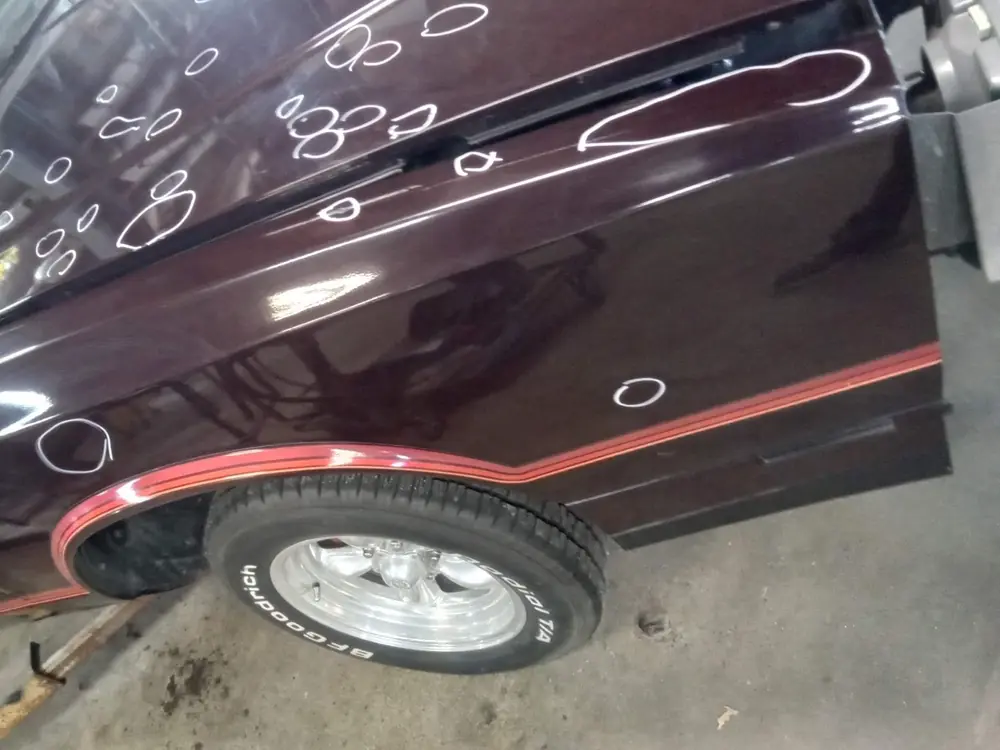
A record of the vehicle’s observed starting condition using notes, photos, symptoms and history. It records evidence, not proof that all defects are visible.
Return to the related discussion → · Read the supporting resource (new tab)
- Scratches
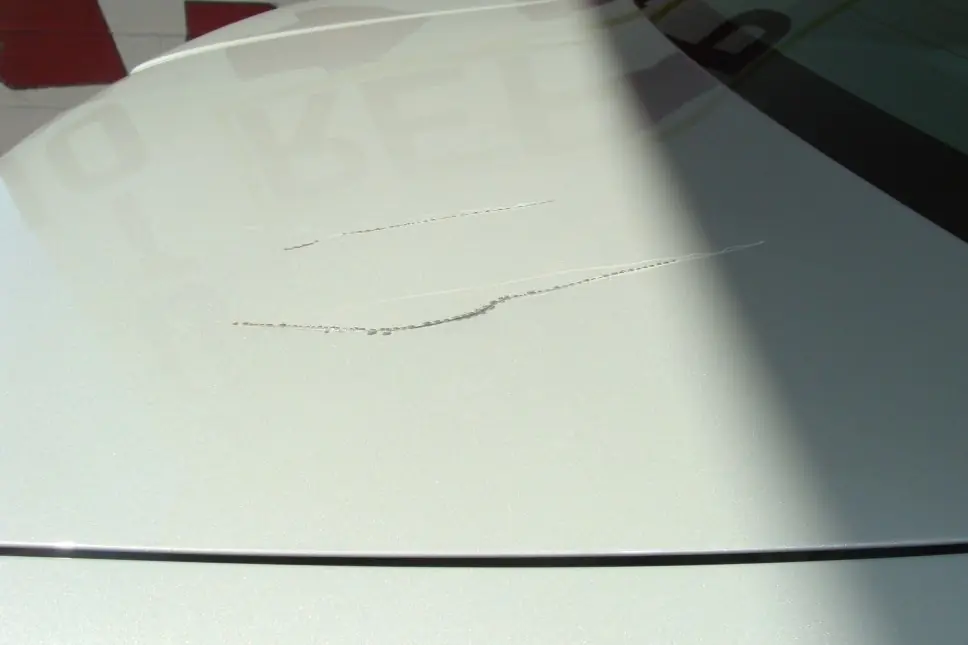
Surface marks whose depth and location require inspection to determine whether coating, material or nearby components are affected. A photo cannot establish every consequence.
Return to the related discussion → · Read the supporting resource (new tab)
- Cracks
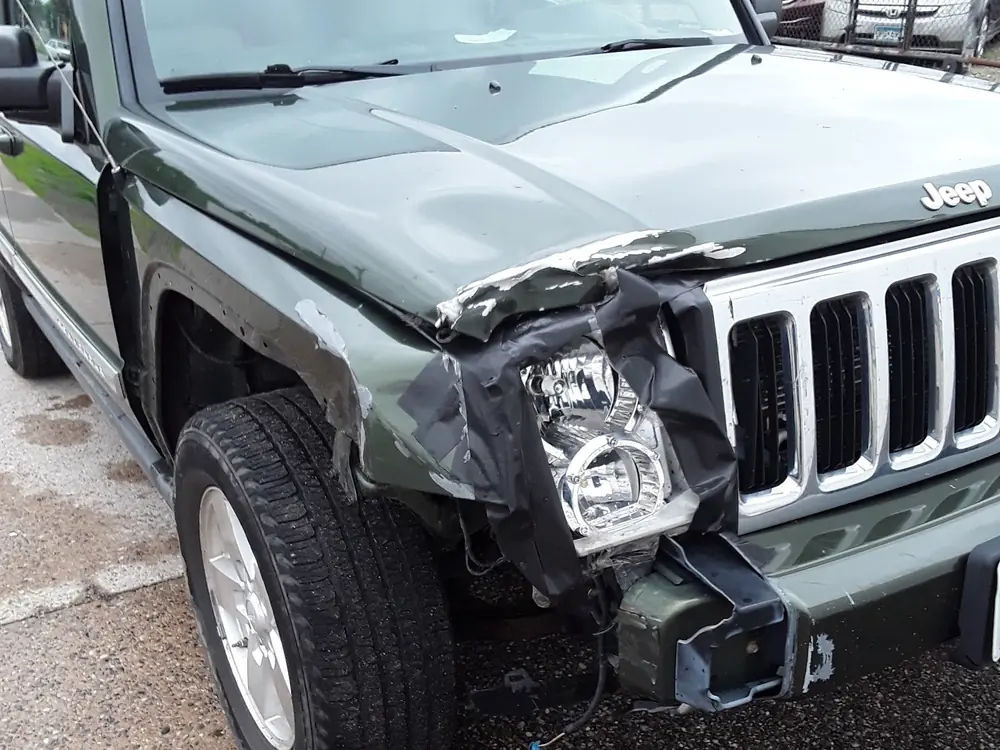
Visible splits or fractures in a material or finish. Their cause, extent and repairability depend on the component and manufacturer instructions.
Return to the related discussion → · Read the supporting resource (new tab)
- Panel gaps
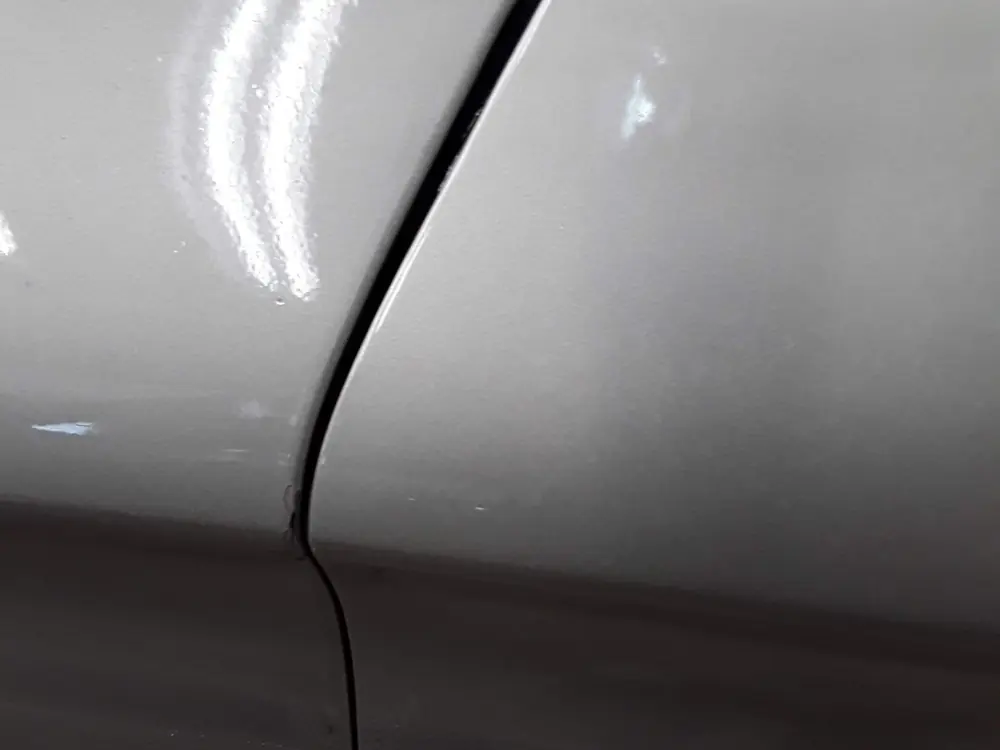
Spaces between adjoining body panels. Uneven gaps can prompt investigation, but alone do not establish structural damage.
Return to the related discussion → · Read the supporting resource (new tab)
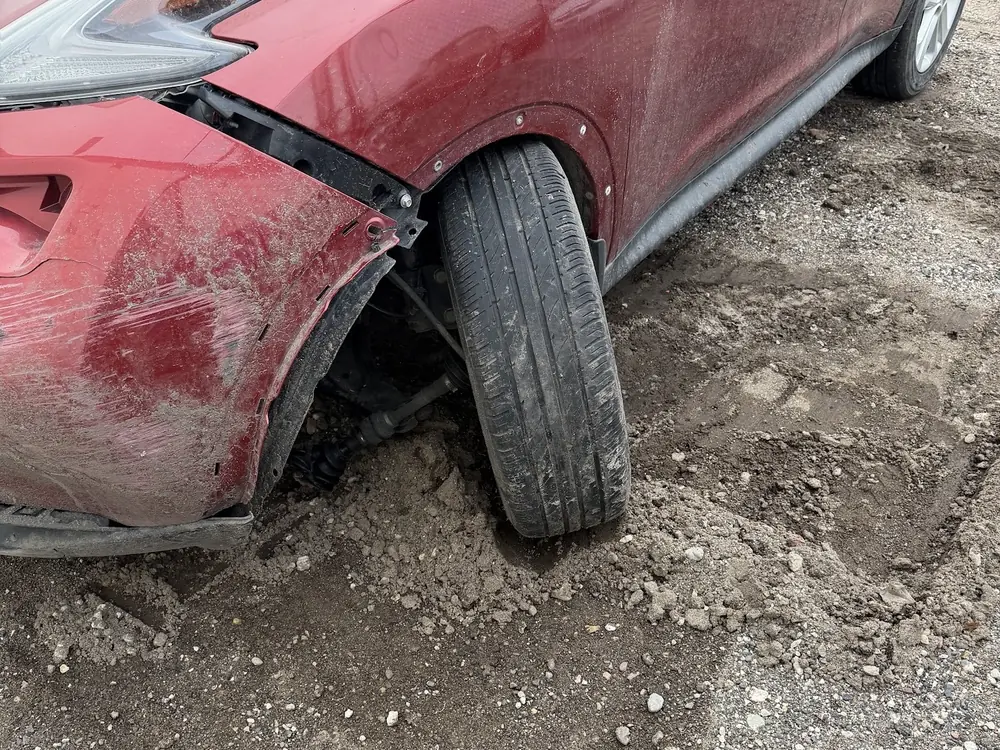
Conditions not reliably visible during an exterior view. Access, testing or disassembly may be needed; even a detailed assessment has limits.
Return to the related discussion → · Read the supporting resource (new tab)
- Inspection
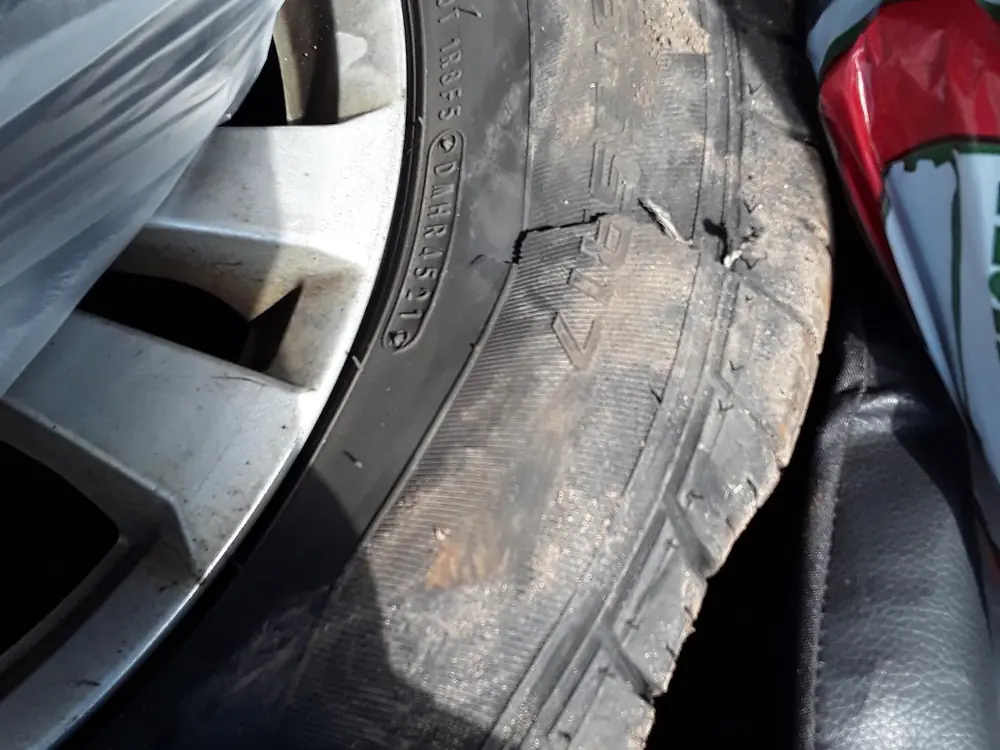
An examination directed at the vehicle and concern. A visual inspection is one part of assessment, not a substitute for every required test.
Return to the related discussion → · Read the supporting resource (new tab)
- Disassembly
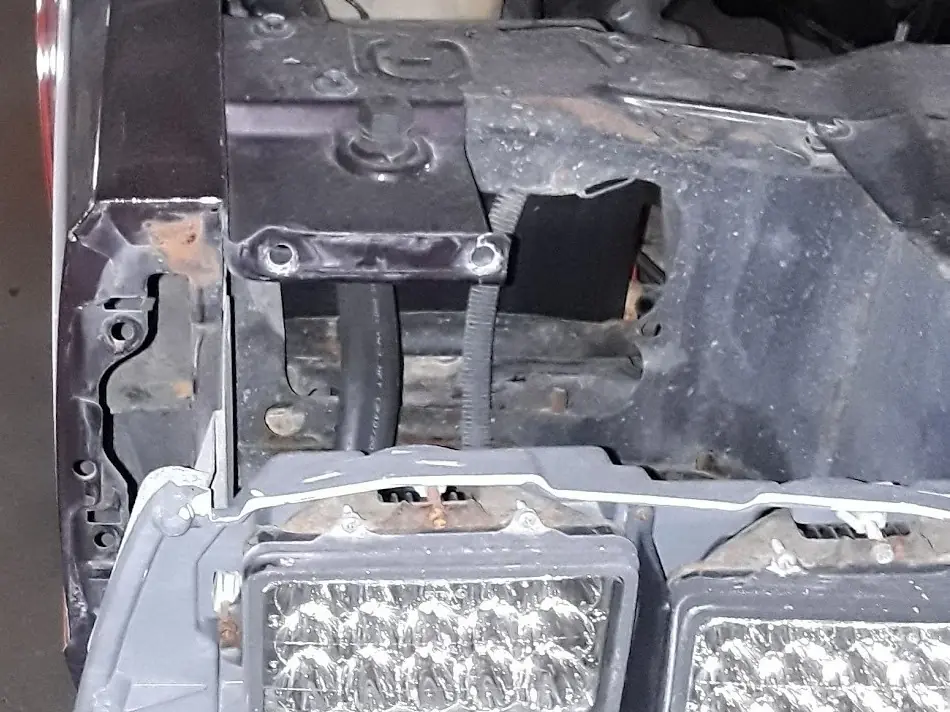
Authorized removal of components to inspect or access affected areas. It is work with costs and may create reassembly or transport considerations.
Return to the related discussion → · Read the supporting resource (new tab)
- Measurements
Applicable dimensional checks against the relevant specifications. They provide evidence that an exterior photo cannot supply.
Return to the related discussion → · Read the supporting resource (new tab)
- Diagnostics
Testing and reasoning to identify a condition or cause. Reading a trouble code alone does not identify which part needs replacing.
Return to the related discussion → · Read the supporting resource (new tab)
- OEM / manufacturer procedures
OEM means original equipment manufacturer. Procedures are the manufacturer’s instructions applicable to the vehicle and operation; a general position statement may not contain the entire procedure.
Return to the related discussion → · Read the supporting resource (new tab)
- Scan
Reading available data or diagnostic trouble codes from electronic systems. It does not by itself prove all damage is identified or all safety functions are correct.
Return to the related discussion → · Read the supporting resource (new tab)
- Calibration
A manufacturer-prescribed setup or verification procedure for a system or component, when required. It is distinct from simply clearing codes.
Return to the related discussion → · Read the supporting resource (new tab)
- Liability coverage
Coverage generally responding to injury or property damage you cause others, subject to the policy. It generally does not pay to repair your own vehicle.
Return to the related discussion → · Read the supporting resource (new tab)
- No-fault / PIP
Minnesota personal injury protection addresses specified injury-related expenses regardless of fault. It is not automatic payment for vehicle repairs.
Return to the related discussion → · Read the supporting resource (new tab)
- Collision coverage
Coverage generally for damage to your vehicle from a collision, subject to policy terms and deductible.
Return to the related discussion → · Read the supporting resource (new tab)
- Comprehensive coverage
Coverage generally for covered non-collision damage such as theft, hail or fire, subject to policy terms and deductible.
Return to the related discussion → · Read the supporting resource (new tab)
- Deductible
The policy-defined portion of a covered loss borne by you. It affects payment, not the technical requirements of the repair.
Return to the related discussion → · Read the supporting resource (new tab)
- Total loss
A claim decision that the vehicle will not be repaired under the applicable economic, policy or legal criteria. The value, repair costs and salvage can matter; a deductible alone does not determine it.
Return to the related discussion → · Read the supporting resource (new tab)
- Salvage value
Expected value of the damaged vehicle or remaining components. It can affect total-loss economics and owner-retention discussions.
Return to the related discussion → · Read the supporting resource (new tab)
- Rental reimbursement
Optional policy protection for eligible replacement transportation after a covered loss, usually with daily and total limits. It differs from coverage for damage to a rental car.
Return to the related discussion → · Read the supporting resource (new tab)
- GAP
Guaranteed asset protection may address some difference between a total-loss settlement and remaining loan or lease debt, subject to its terms and exclusions.
Return to the related discussion → · Read the supporting resource (new tab)
- Independent shop
A shop described by its ownership or operation. Independence alone does not establish quality, speed or insurer network participation.
Return to the related discussion → · Read the supporting resource (new tab)
- MSO
A multi-shop operator with multiple locations. This describes an operating model, not proof of whether a specific repair follows procedures.
Return to the related discussion → · Read the supporting resource (new tab)
- DRP / insurer network
A direct repair program is a contractual shop relationship with an insurer. Its terms and any guarantee need to be examined separately from technical requirements and shop ownership.
Return to the related discussion → · Read the supporting resource (new tab)
- Repair warranty
The issuer’s written promise about specified work or parts, subject to its terms. It is distinct from insurance coverage and legal responsibility for a defect.
Return to the related discussion → · Read the supporting resource (new tab)
- Diminished value
A possible reduction in market value after damage or repair. Whether compensation is available depends on evidence, policy, claim type and law; it is not automatic.
Return to the related discussion → · Read the supporting resource (new tab)
- VIN — Vehicle Identification Number
The identifier for a particular vehicle; modern vehicles generally have a 17-character VIN. Use the vehicle’s VIN for a specific recall check rather than relying only on year, make and model.
Return to the recall-check discussion → · NHTSA: locate your VIN and check recalls (new tab)
- Safety recall
A manufacturer remedy process for a safety-related defect or failure to meet safety standards. An open recall and collision damage are different issues; each needs the appropriate follow-up.
Return to the recall-check discussion → · NHTSA: recall information (new tab)
This is general educational information, not legal advice or a coverage determination. Your vehicle, policy, written agreements and applicable law control. Ask your insurer for its position in writing; seek a qualified professional for an individual dispute.
Safety-system terms
ADAS — advanced driver assistance systems
Features that assist with driving tasks, such as collision warnings, automatic emergency braking or lane assistance. Equipment and limitations vary by vehicle. These systems assist the driver and do not replace attentive driving. Read the vehicle owner’s manual and our repair and calibration explanation.
Radar
A sensor technology that uses radio waves to detect objects and their relative position or motion. Some vehicle radar sensors operate behind bumper covers; bumper material, coatings and mounting geometry can matter. See bumper repair precautions and manufacturer sources.
Ultrasonic parking sensors (sometimes called sonar)
Short-range sensors that use high-frequency sound waves to detect nearby objects, commonly during parking. Their faces and mounts have vehicle-specific repair and refinishing restrictions. They are different from radar. See sensor and bumper repair requirements.
Parts and outside-service terms
Used / recycled parts
Components removed from another vehicle for reuse. Original manufacture does not establish current condition, history or suitability. Parts selection, schedule and responsibility → · I-CAR: recycled panel considerations (new tab)
Aftermarket parts
Replacement parts supplied outside the vehicle manufacturer’s original parts channel. Suitability must be checked against the vehicle, application and applicable instructions. Compare total cost and suitability → · Manufacturer parts positions (new tab)
Subcontractor / sublet operation
An outside provider performing an assigned repair-related operation. Its scope, prerequisites, records, verification, warranty and responsibility should be clear. Outside services and accountability → · Minnesota repair guidance (new tab)
Work product
The findings, records or plan produced by a service, such as vehicle-specific research, measurements, diagnostics and condition documentation. This describes the output of work, not legal ownership of every document or automatic insurer reimbursement. Scope, charges and deliverables should be agreed before work begins. Why the service has a cost and how payment responsibility is agreed → · Minnesota repair-charge guidance (new tab)
Prior salvage / rebuilt history
A history of a vehicle classified as salvage and subsequently repaired or processed for a different title status. Exact branding and registration requirements vary. The title history does not by itself establish current condition or proper repair. Minnesota salvage inspection is not a safety inspection. Prior repair assessment and safety responsibilities → · DVS inspection-notice example (new tab)